Two separate teams of health science students are in Guatemala over Spring Break this year. One team consists of nursing and pharmacy students. The other includes OT and PT students. Both team are writing about their experiences.

 Team Nursing/Pharmacy
from Rachel Searfoss, Tim Zerwic & Ellie Ivancich
Put a few students in a room and you come up with a physical assessment. Put a few more students in a room and you come up with a list of suggested medications. Put yet another student in the room and you learn what exercises can be done to remedy specific pain. Put all of the above along with faculty and interpreters in a room, and you come up with a plan, from English to Spanish, for how to help an individual return to a more optimal state of health.
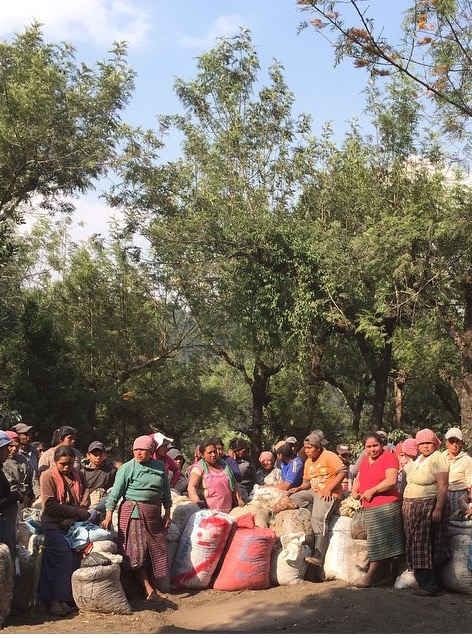
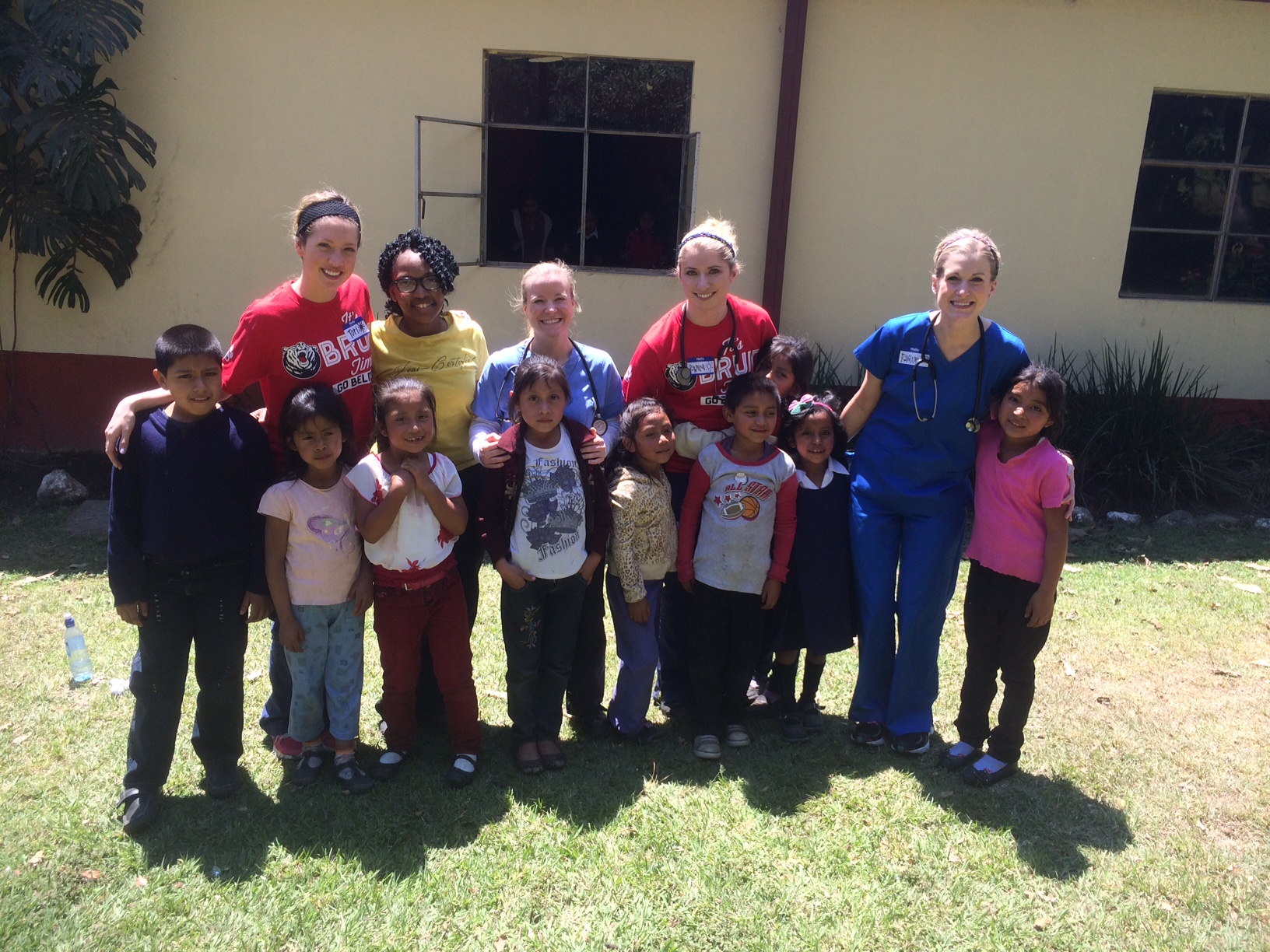
Day two of health screenings and teaching begins in Antigua with the College of Health Sciences and Pharmacy missions team. The group has worked incredibly hard to find better ways to organize our efforts together in order to provide the most useful amount of care that we can give to the coffee plantation workers and their families. Everyone has offered their insight, experience, heartfelt concerns, suggestions, and innovative ideas to make this process mesh together in a solidified way. When workers came to the screenings earlier this morning, we began recording height and weight first, assessing for any complaints of pain or health concerns, taking blood pressure and blood glucose measurements, and teaching for both adult and child CPR education. The effort to reorganize the health screening process engaged the workers and families so much more than before and also helped to streamline the process into where those with more serious health issues were able to receive more concentrated and specific care. One of those cases worked closely with our occupational therapy student on the mission team, Tim.
 A man who works the coffee fields was complaining of upper back and shoulder pain. He reported that he lifts heavy bags of coffee over and over again each day. The bags, filled with fresh coffee harvested, can weigh up to 150 pounds. After assessing the injury, Tim considered that the man may be suffering from a supraspinatus tendon impingement. This type of injury affects the rotator cuff and involves abduction of the arm away from the body and can result from overuse and overexertion. Working with an interpreter, Tim taught the man how to perform different types of stretches and exercises he could do at home, even with a can of beans, something he easily has on hand.